Blooper Tech Movie I – The Ring (La Señal)

Con The Ring inauguro una nueva sección llamada Blooper Tech Movie (BTM), algo así como pifias o tomas falsas tecnológicas en películas. Aunque no os lo creáis, los creadores del séptimo arte y sus asesores son humanos, y como tal se rigen por la ley del mínimo esfuerzo. En este BTM vamos a ver como una simple escena nos puede arruinar la excelente atmósfera de intriga que hasta ese momento se respiraba.

BTM

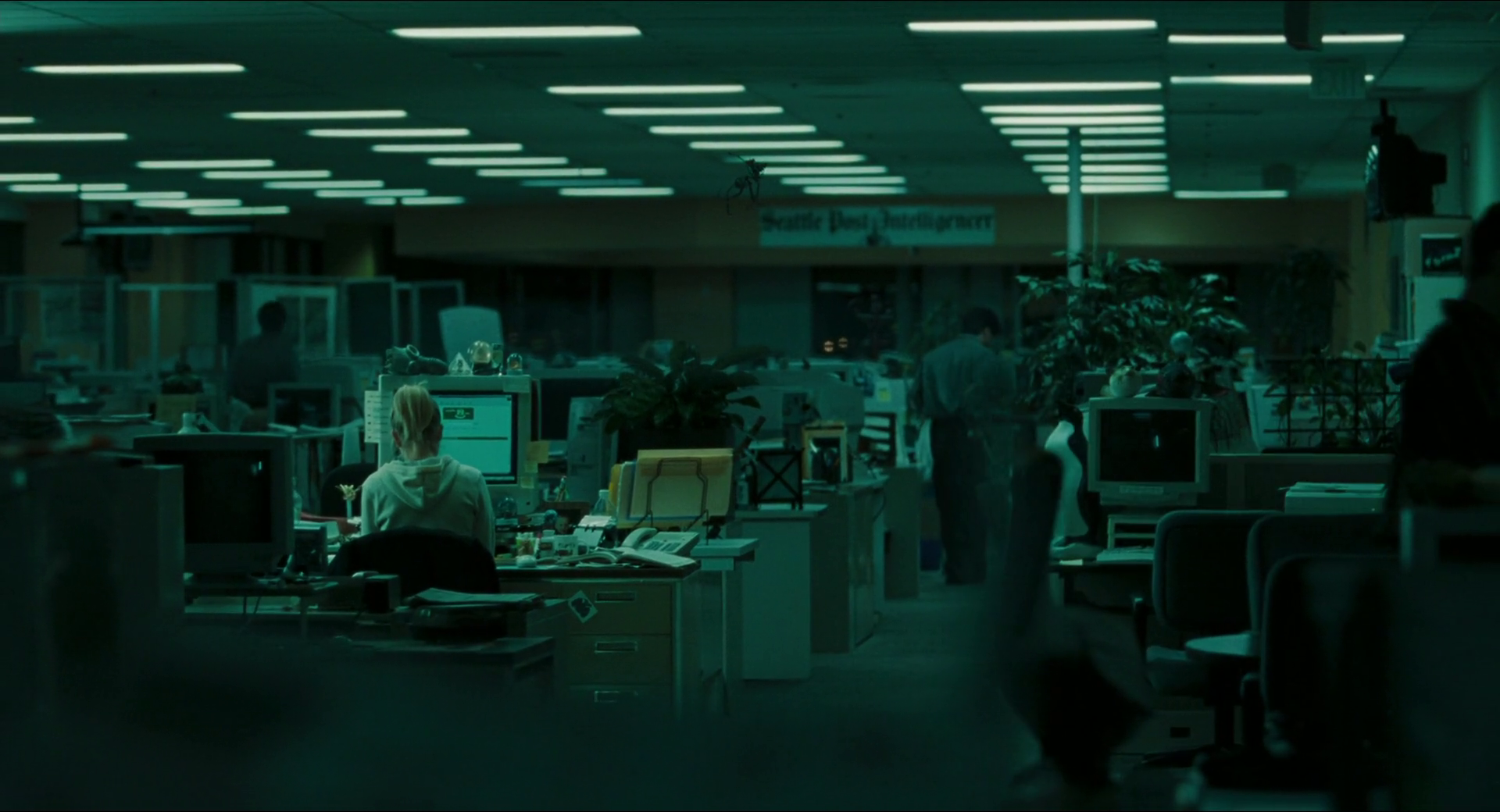
Transcurridos 70 minutos de película vemos que la protagonista está en una redacción buscando información sobre la maldita cinta de vídeo en un PC.
vlcsnap-2015-11-22-01h10m04s660

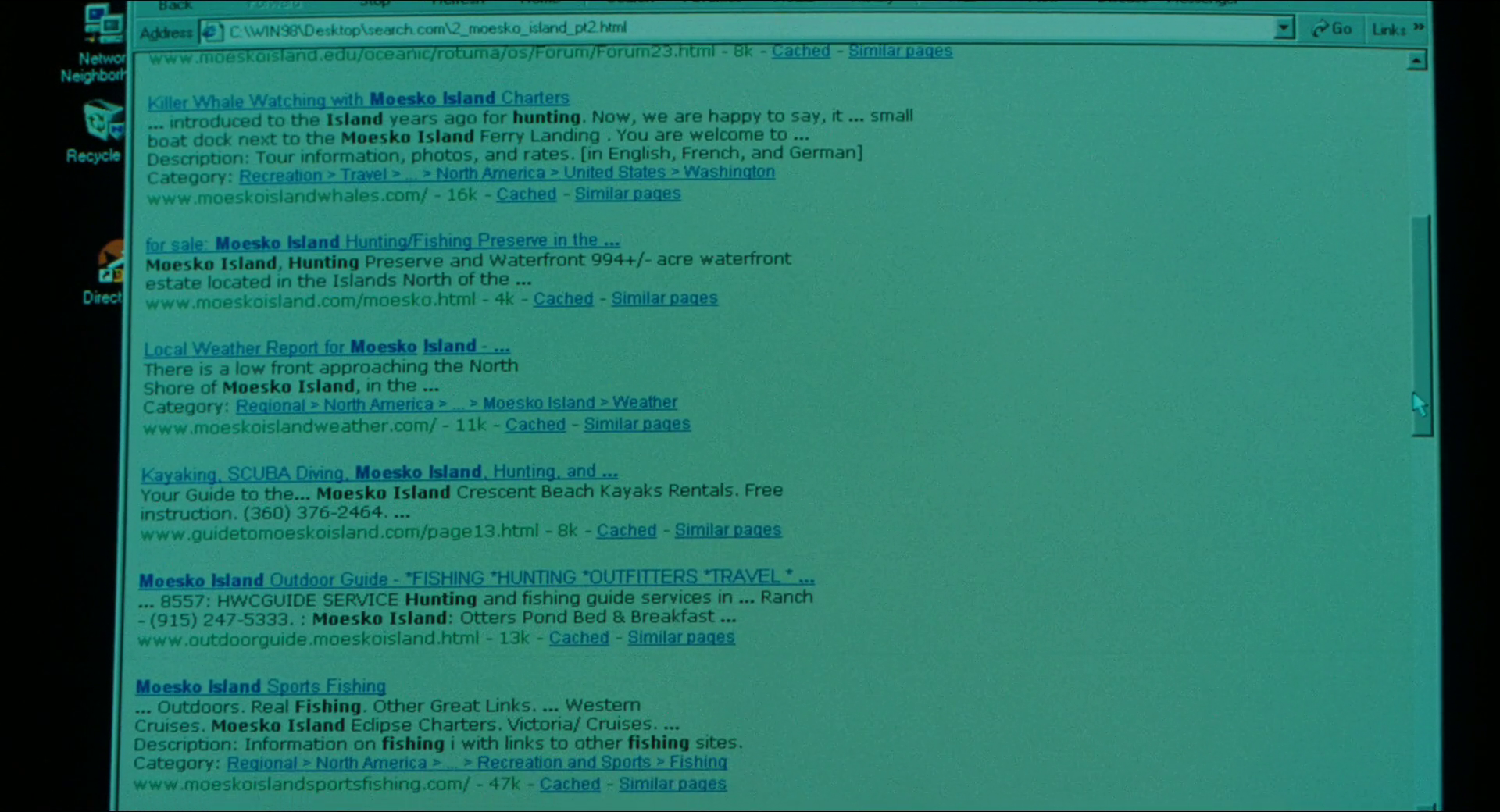
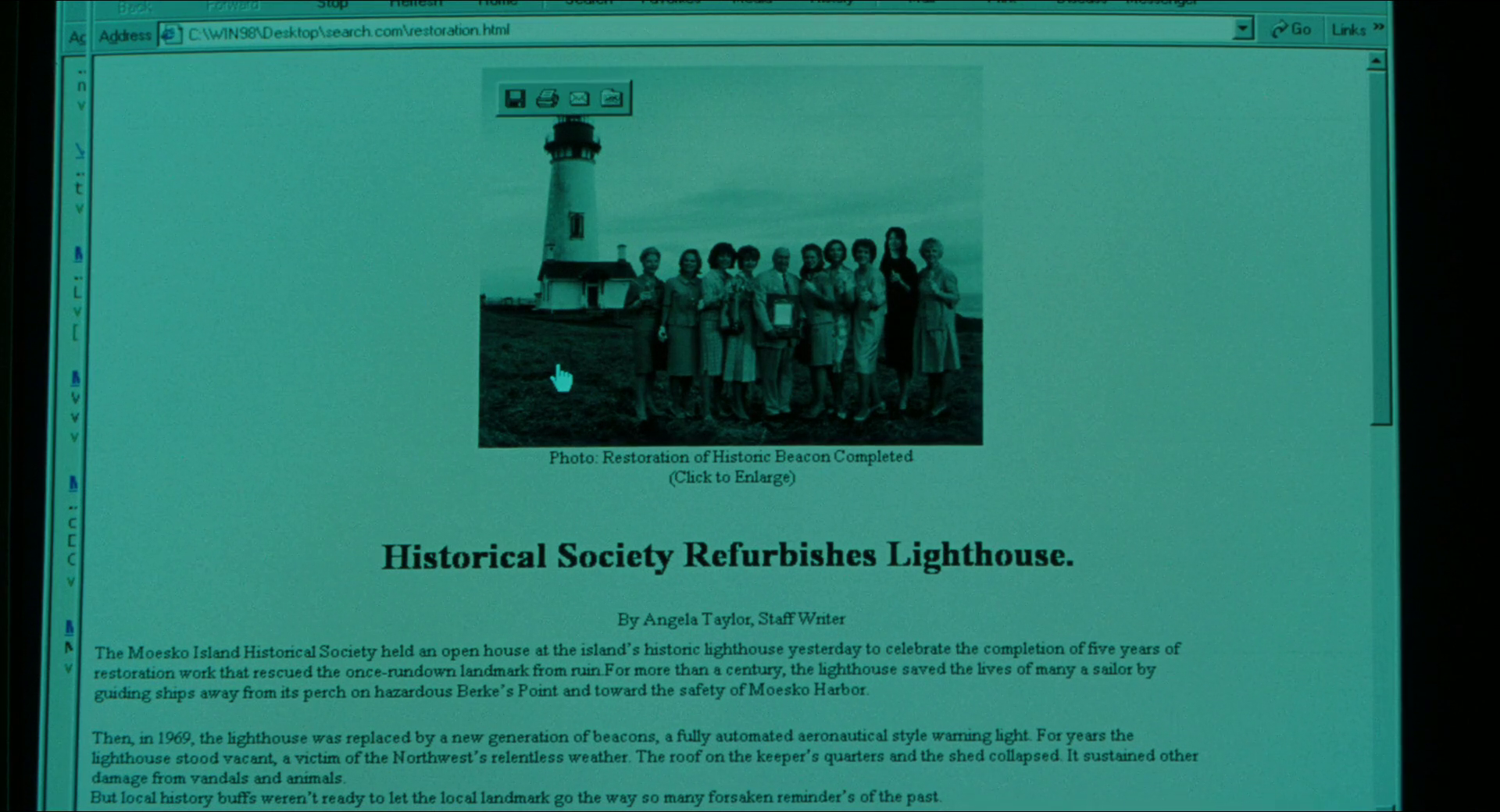
Hasta aquí todo correcto, pero instantes después vemos que realiza una búsqueda sobre «Moesko Islands» y cuando se abre el plano y podemos ver la barra de direcciones, en realidad vemos un archivo local situado en «C:\WIN98\Desktop\search.com\2_moesko_island_pt2.html«. A continuación la secuencia, se pueden ver los enlaces «locales» en el segundo 13 y 17.
vlcsnap-2015-11-22-01h10m52s727

Imagen 1 – «C:\WIN98\Desktop\search.com\2_moesko_island_pt2.html»
vlcsnap-2015-11-22-01h11m25s822

Imagen 2 – «C:\WIN98\Desktop\search.com\restoration.html»

Teniendo en cuenta que la película data del año 2002, me parece increíble que los productores no se lo curraran un poco más y registraran un dominio como «jdoesearch.com» y simularan que se realizan las búsquedas ONline y no OFFline como se están haciendo en realidad.

Quizá no tenían pensado mostrar la parte superior del navegador o simplemente pensaron que nadie se fijaría pero el caso es que para cualquiera que haya navegado por Internet más de 2 veces, si se fija en la barra de direcciones su expresión facial cambia a WTF!.
ring_sello

Enlaces


Introducción Hoy tenemos aquí un crackme de los que te hacen temblar las conexiones neuronales. Estamos acostumbrados al típico serial
Warning: This challenge is still active and therefore should not be resolved using this information. Aviso: Este reto sigue en

ideku_nih’s Code this Keygen

Introducción

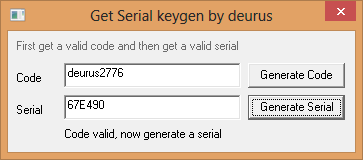
Hoy tenemos aquí un crackme hecho en Visual Basic 6 (pcode), pero lo vamos a abordar de una manera diferente, ya que, vamos a conseguir el código fuente mediante VB Decompiler, le vamos a hacer una serie de modificaciones para hacerlo funcional con la ayuda de ExDec, y a partir de eso vamos a generar nuestro propio keygen.

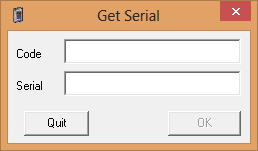
El funcionamiento del crackme es simple, tenemos una primera caja de texto «Code» que en función de lo que introduzcamos nos activa el botón «OK». Al pulsar el botón comprueba lo que tengamos en la caja de texto «Serial» para haber si está todo correcto.

Obteniendo el código fuente

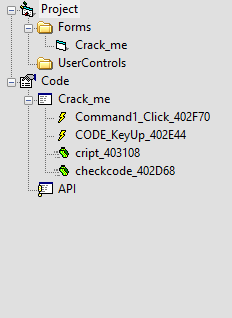
Abrimos el crackme con VB Decompiler y vemos sus fauces.

29-08-2014 20-30-08

Pinchando en cada parte obtenemos su respectivo código fuente.

El botón OK

Private Sub Command1_Click() '402F70
  'Data Table: 402724
  Dim ourserial As Variant
   ourserial = CVar(Me.SERIAL.Text) 'String
   If (ourserial = cript(Left$(Me.CODE.Text, &HA))) Then
     MsgBox "Great", 0, ourserial
     End
   End If
   Dim x As String
   x = cript(Left$(Me.CODE.Text, &HA))
   MsgBox "Not Completed - " & x, 0, ourserial
   Me.CODE.Text = ""
   Me.SERIAL.Text = ""
   Exit Sub
End Sub

El evento KeyUp

Private Sub CODE_KeyUp(KeyCode As Integer, Shift As Integer)
  'Data Table: 402724
   If (Len(Me.CODE.Text) > 4) Then
     ourserialsum = checkcode(Me.CODE.Text)
     If CBool((ourserialsum > 70) And (ourserialsum < 90)) Then
       Me.Command1.Enabled = True
     End If
   End If
   Exit Sub
End Sub

La función cript

Public Function cript(a) 
  'Data Table: 402724
  Dim var_9C As Long
   var_98 = CStr(UCase(a))
   For var_10C = 1 To CVar(Len(var_98)): var_CC = var_10C 'Variant
     var_9C = CLng((CVar(var_9C) + (CVar((Asc(Mid$(var_98, CLng(var_CC), 1)) - 9) Xor &H58) + var_CC) ^ 2))
   Next var_10C 'Variant
  For var_160 = 1 To 100: var_140 = var_160 
     If (Mid$(CVar(Me.CODE.Text), CLng(var_140), 1) = vbNullString) Then
      GoTo loc_4030C0
     End If
   Next var_160 
loc_4030C0:
   var_9C = CLng(((CVar(var_9C) * Int((var_140 / 2))) * 16))
   var_94 = Hex(var_9C) 'Variant
   cript = var_94
End Function

La función checkcode

Public Function checkcode(a) 
   For var_F4 = 1 To CVar(Len(a)): var_A4 = var_F4
     var_128 = var_128 + (CVar(Asc(Mid$(a, CLng(var_A4), 1))))
   Next var_F4
   var_94 = Int(((var_128 / CVar(Len(a) / CVar(Len(a)))))
   checkcode = var_94
End Function

La rutina de comprobación del serial

Se compone de dos partes, el código y el serial.

El código

Si el resultado de la función checkcode está entre 70 y 90 nos activa el botón OK.

El serial

Lo genera la función cript en función del código anterior.

Arreglando el código fuente

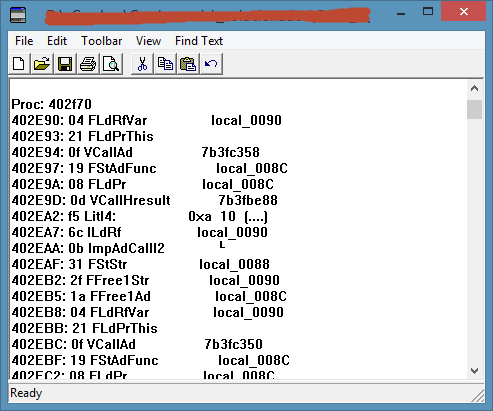
Con lo obtenido anteriormente podemos entender perfectamente el comportamiento de la comprobación del serial pero si los cargamos en Visual Basic 6 y lo intentamos ejecutar tal cual nos dará una serie de errores. Es aquí cuando entra ExDec, ya que, nos proporciona el desensamblado del programa en forma de Opcode para poder comparar con el código obtenido.

29-08-2014 22-49-22

En este caso el único problema se encuentra en la función checkcode en concreto en ésta línea:

var_94 = Int(((var_128 / CVar(Len(a) / CVar(Len(a)))))

El problema está en que divide dos veces entre el número de dígitos de a, si lo analizamos vemos que es imposible ya que nunca nos daría un código entre 70 y 90. La corrección queda así:

var_94 = Int(((var_128 / CVar(Len(a)))))

El KeyGen

Finalmente el código fuente de nuestro keygen quedaría así:

Private Sub Command1_Click() 'Generate CODE
  Dim CODE As String
  Dim var As Integer
  Randomize
  var = CLng((0 - 9999) * Rnd + 9999)
  Me.CODE.Text = "deurus" & var
  codesum = checkcode(Me.CODE.Text)
  If CBool((codesum > 70) And (codesum < 90)) Then
       lbl.Caption = "Code valid, now generate a serial"
       Command2.Enabled = True
  Else
       Command2.Enabled = False
       Command1_Click
  End If
End Sub

Private Sub Command2_Click() 'Generate SERIAL
   If (Len(Me.CODE.Text) > 4) Then
     codesum = checkcode(Me.CODE.Text)
     If CBool((codesum > 70) And (codesum < 90)) Then
       SERIAL.Text = cript(Left$(Me.CODE.Text, 10))
       Else
       lbl.Caption = "Code not valid, first gen code"
     End If
   End If
End Sub

Private Sub CODE_KeyUp(KeyCode As Integer, Shift As Integer)
   If (Len(Me.CODE.Text) > 4) Then
     var_B0 = checkcode(Me.CODE.Text)
     lbl.Caption = "Value must be between 70 - 90. Yours: " & var_B0
     If CBool((var_B0 > 70) And (var_B0 < 90)) Then
       lbl.Caption = "Code valid, now generate a serial"
       Command2.Enabled = True
       Else
       Command2.Enabled = False
     End If
   End If
   Exit Sub
End Sub

Public Function cript(a)
  Dim var_9C As Long
   var_98 = CStr(UCase(a))
   For var_10C = 1 To CVar(Len(var_98)): var_CC = var_10C
     var_9C = CLng((CVar(var_9C) + (CVar((Asc(Mid$(var_98, CLng(var_CC), 1)) - 9) Xor &H58) + var_CC) ^ 2))
   Next var_10C
  For var_160 = 1 To 100: var_140 = var_160
     If (Mid$(CVar(Me.CODE.Text), CLng(var_140), 1) = vbNullString) Then
      GoTo loc_4030C0
     End If
   Next var_160
loc_4030C0:
   var_9C = CLng(((CVar(var_9C) * Int((var_140 / 2))) * 16))
   var_94 = Hex(var_9C)
   cript = var_94
End Function

Public Function checkcode(a)
   For var_F4 = 1 To CVar(Len(a)): var_A4 = var_F4
   'Suma el valor ascii de todos los caracteres / Add the ascii value of our code
     var_128 = var_128 + (CVar(Asc(Mid$(a, CLng(var_A4), 1))))
   Next var_F4
   'Lo divide entre la longitud del code / Divide our codesum by code lenght
   var_94 = Int(((var_128 / CVar(Len(a))))) 'corrección
   checkcode = var_94
End Function

29-08-2014 20-28-53

En crackmes.de podéis conseguir el crackme y el keygen.

Links


Hemos interceptado un mensaje secreto, pero ninguno de nuestros traductores lo sabe interpretar, ¿sabrías interpretarlo tú? Lo único que hemos
Warning: This challenge is still active and therefore should not be resolved using this information. Aviso: Este reto sigue en
http://youtu.be/KR3PgtDMjmg Lista de reproducción
Estamos ante un ELF un poco más interesante que los vistos anteriormente. Básicamente porque es divertido y fácil encontrar la

Crypto – Vodka

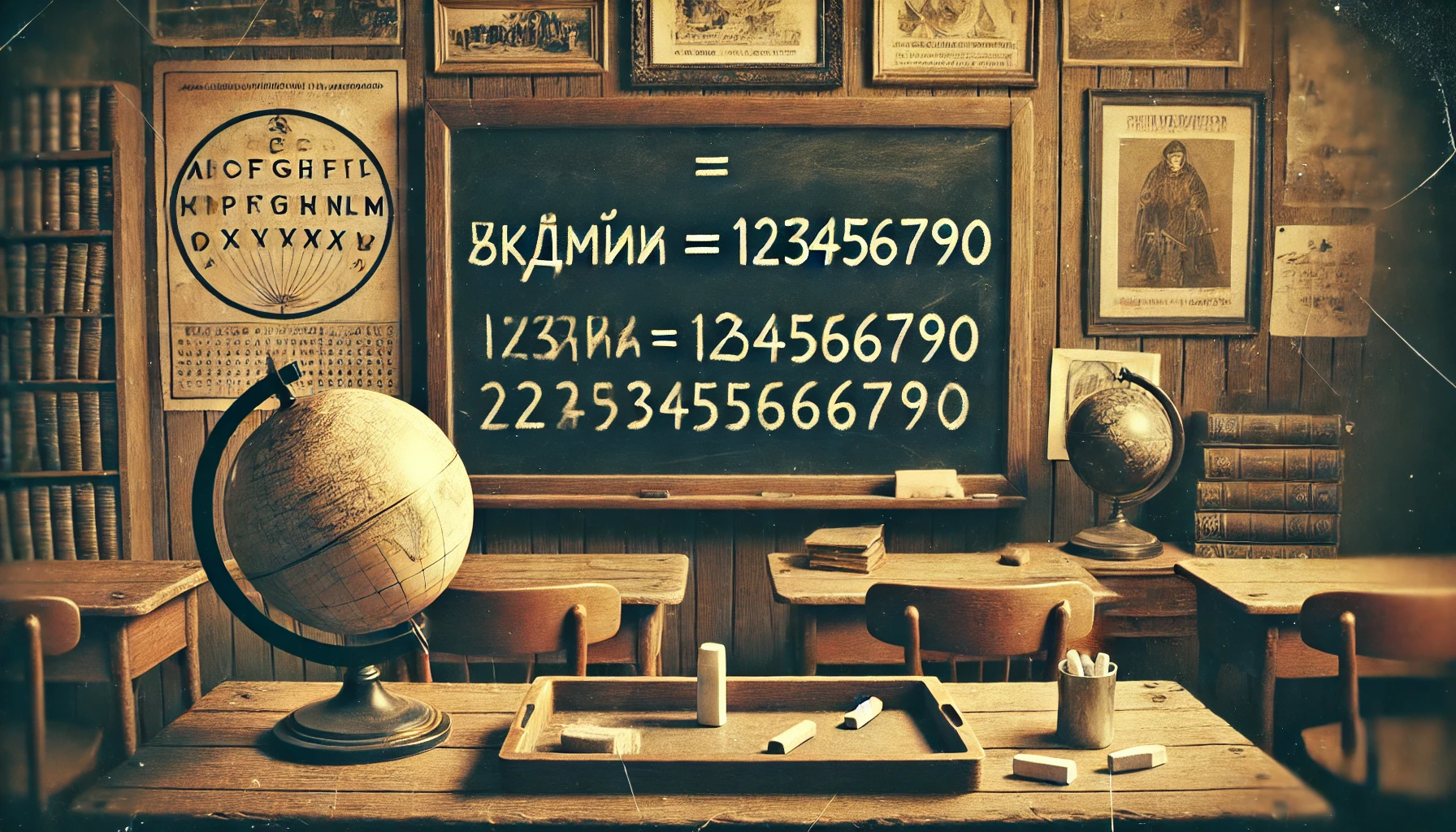
Hemos interceptado un mensaje secreto, pero ninguno de nuestros traductores lo sabe interpretar, ¿sabrías interpretarlo tú? Lo único que hemos encontrado es esto en un foro: шжзклмнпфъ = 1234567890

Mensaje secreto: нж, фн, фф, шън, нф, шшъ, шжз, мф, шъп, фл, пк, шъш, шшм, шшк, шъл, шшл, фл, шъш, шшл, фл, шшн, шшъ, фл, шъм, шшн, шъш, шъз, шшш, фл, пж, шшн, шшл, шшш, шжл

Solución

Parece que el mensaje secreto está encriptado utilizando un alfabeto cifrado que corresponde a números. Según la clave proporcionada (шжзклмнпфъ = 1234567890), cada letra del alfabeto cirílico se sustituye por un número.

Primero, descompondremos la clave dada:
ш = 1
ж = 2
з = 3
к = 4
л = 5
м = 6
н = 7
п = 8
ф = 9
ъ = 0

Ahora, aplicamos esta clave al mensaje secreto:

нж, фн, фф, шън, нф, шшъ, шжз, мф, шъп, фл, пк, шъш, шшм, шшк, шъл, шшл, фл, шъш, шшл, фл, шшн, шшъ, фл, шъм, шшн, шъш, шъз, шшш, фл, пж, шшн, шшл, шшш, шжл

Sustituyendo cada letra según la clave:

нж = 72
фн = 97
фф = 99
шън = 107
нф = 79
шшъ = 110
шжз = 123
мф = 69
шъп = 108
фл = 95
пк = 84
шъш = 101
шшм = 116
шшк = 114
шъл = 105
шшл = 115
фл = 95
шъш = 101
шшл = 115
фл = 95
шшн = 117
шшъ = 110
фл = 95
шъм = 106
шшн = 117
шъш = 101
шъз = 130
шшш = 111
фл = 95
пж = 82
шшн = 117
шшл = 115
шшш = 111
шжл = 125

El mensaje traducido a números es:

72, 97, 99, 107, 79, 110, 123, 69, 108, 95, 84, 101, 116, 114, 105, 115, 95, 101, 115, 95, 117, 110, 95, 106, 117, 101, 130, 111, 95, 82, 117, 115, 111, 125

Este parece ser un mensaje cifrado en números. La secuencia de números se puede interpretar de varias maneras (como ASCII, coordenadas, etc.). Si asumimos que es un texto codificado en ASCII:

Convertimos cada número a su correspondiente carácter ASCII:

72 = H
97 = a
99 = c
107 = k
79 = O
110 = n
123 = {
69 = E
108 = l
95 = _
84 = T
101 = e
116 = t
114 = r
105 = i
115 = s
95 = _
101 = e
115 = s
95 = _
117 = u
110 = n
95 = _
106 = j
117 = u
101 = e
130 = ?
111 = o
95 = _
82 = R
117 = u
115 = s
111 = o
125 = }

Juntando todo:

HackOn{El_Tetris_e_s_u_n_j_u_e?o_Ruso}

La parte «{El_Tetris_e_s_u_n_j_u_e?o_Ruso}» parece un mensaje en español. Probablemente deba ser leído como: HackOn{El_Tetris_es_un_juego_Ruso}

Así, el mensaje secreto es: HackOn{El_Tetris_es_un_juego_Ruso}.


ThisIsLegal.com – Realistic Challenge 3

Warning: This challenge is still active and therefore should not be resolved using this information.
Aviso: Este reto sigue en activo y por lo tanto no se debería resolver utilizando esta información.

Introducción

Realistic Challenge 3: Your school is employing a web designer who is charging far too much for site design and doesn’t know anything about protecting the site. However, he’s sure that there’s no way anyone can hack into any site he’s designed, prove him wrong!
 En tu escuela están haciendo una web nueva muy rápido. El creador asegura que no le pueden hackear, demuéstrale que está equivocado.

Analizando a la víctima

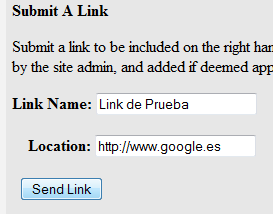
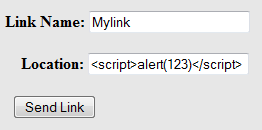
Echamos un vistazo y vemos en el menú cosas interesantes. La primera de ellas es un Login que pronto descartamos ya que no parece llevar a ninguna parte. La segunda sirve para mandar enlaces al administrador y que este los publique posteriormente en la web.
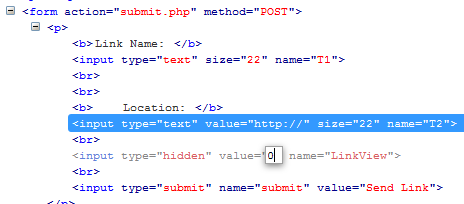
Vamos a trastear un poco con la opción de mandar enlaces. En el código fuente ya vemos algo interesante y es que hay un campo oculto con el valor a 1 al mandar el enlace. Probamos a mandar un enlace sin tocar nada y nos dice que lo manda pero que lo tienen que aprobar. Vamos a probar ahora cambiando el valor del parámetro oculto a 0 con Firebug.

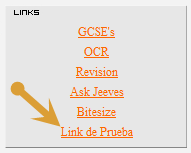
¡Funcionó!, el enlace ha pasado el filtro.

¿Cómo podemos aprovechar esto?, pués la forma más común es «XSS cross site scripting«. Veamos una prueba. Con el parámetro oculto otra vez en 0 mandamos el siguiente enlace y reto superado.

Links

lost_in_bin

Estamos ante un ELF un poco más interesante que los vistos anteriormente. Básicamente porque es divertido y fácil encontrar la solución en el decompilado y quizá por evocar recuerdos de tiempos pretéritos.

ELF Decompilado

/* This file was generated by the Hex-Rays decompiler version 8.4.0.240320.
   Copyright (c) 2007-2021 Hex-Rays <info@hex-rays.com>

   Detected compiler: GNU C++
*/

#include <defs.h>


//-------------------------------------------------------------------------
// Function declarations

__int64 (**init_proc())(void);
__int64 sub_400650(); // weak
// int printf(const char *format, ...);
// int puts(const char *s);
// void __noreturn exit(int status);
// size_t strlen(const char *s);
// __int64 __fastcall MD5(_QWORD, _QWORD, _QWORD); weak
// int sprintf(char *s, const char *format, ...);
// __int64 ptrace(enum __ptrace_request request, ...);
// __int64 strtol(const char *nptr, char **endptr, int base);
// __int64 __isoc99_scanf(const char *, ...); weak
// int memcmp(const void *s1, const void *s2, size_t n);
void __fastcall __noreturn start(__int64 a1, __int64 a2, void (*a3)(void));
void *sub_400730();
__int64 sub_400760();
void *sub_4007A0();
__int64 sub_4007D0();
void fini(void); // idb
void term_proc();
// int __fastcall _libc_start_main(int (__fastcall *main)(int, char **, char **), int argc, char **ubp_av, void (*init)(void), void (*fini)(void), void (*rtld_fini)(void), void *stack_end);
// __int64 _gmon_start__(void); weak

//-------------------------------------------------------------------------
// Data declarations

_UNKNOWN main;
_UNKNOWN init;
__int64 (__fastcall *funcs_400E29)() = &sub_4007D0; // weak
__int64 (__fastcall *off_601DF8)() = &sub_4007A0; // weak
__int64 (*qword_602010)(void) = NULL; // weak
char *off_602080 = "FLAG-%s\n"; // idb
char a7yq2hryrn5yJga[16] = "7Yq2hrYRn5Y`jga"; // weak
const char aO6uH[] = "(O6U,H\""; // idb
_UNKNOWN unk_6020B8; // weak
_UNKNOWN unk_6020C8; // weak
char byte_6020E0; // weak
char s1; // idb
char byte_602110[]; // weak
char byte_602120[33]; // weak
char byte_602141[7]; // idb
__int64 qword_602148; // weak
__int64 qword_602150; // weak
__int64 qword_602158; // weak
__int64 qword_602160; // weak
__int64 qword_602178; // weak


//----- (0000000000400630) ----------------------------------------------------
__int64 (**init_proc())(void)
{
  __int64 (**result)(void); // rax

  result = &_gmon_start__;
  if ( &_gmon_start__ )
    return (__int64 (**)(void))_gmon_start__();
  return result;
}
// 6021D8: using guessed type __int64 _gmon_start__(void);

//----- (0000000000400650) ----------------------------------------------------
__int64 sub_400650()
{
  return qword_602010();
}
// 400650: using guessed type __int64 sub_400650();
// 602010: using guessed type __int64 (*qword_602010)(void);

//----- (0000000000400700) ----------------------------------------------------
// positive sp value has been detected, the output may be wrong!
void __fastcall __noreturn start(__int64 a1, __int64 a2, void (*a3)(void))
{
  __int64 v3; // rax
  int v4; // esi
  __int64 v5; // [rsp-8h] [rbp-8h] BYREF
  char *retaddr; // [rsp+0h] [rbp+0h] BYREF

  v4 = v5;
  v5 = v3;
  _libc_start_main((int (__fastcall *)(int, char **, char **))main, v4, &retaddr, (void (*)(void))init, fini, a3, &v5);
  __halt();
}
// 400706: positive sp value 8 has been found
// 40070D: variable 'v3' is possibly undefined

//----- (0000000000400730) ----------------------------------------------------
void *sub_400730()
{
  return &unk_6020C8;
}

//----- (0000000000400760) ----------------------------------------------------
__int64 sub_400760()
{
  return 0LL;
}

//----- (00000000004007A0) ----------------------------------------------------
void *sub_4007A0()
{
  void *result; // rax

  if ( !byte_6020E0 )
  {
    result = sub_400730();
    byte_6020E0 = 1;
  }
  return result;
}
// 6020E0: using guessed type char byte_6020E0;

//----- (00000000004007D0) ----------------------------------------------------
__int64 sub_4007D0()
{
  return sub_400760();
}

//----- (00000000004007D7) ----------------------------------------------------
__int64 __fastcall main(int a1, char **a2, char **a3)
{
  size_t v3; // rax
  size_t v4; // rax
  int i; // [rsp+1Ch] [rbp-24h]
  int n; // [rsp+20h] [rbp-20h]
  int m; // [rsp+24h] [rbp-1Ch]
  int k; // [rsp+28h] [rbp-18h]
  int j; // [rsp+2Ch] [rbp-14h]

  if ( ptrace(PTRACE_TRACEME, 0LL, 0LL, 0LL) == -1 )
    goto LABEL_2;
  if ( a1 > 4 )
  {
    qword_602148 = strtol(a2[1], 0LL, 10);
    if ( qword_602148 )
    {
      qword_602150 = strtol(a2[2], 0LL, 10);
      if ( qword_602150 )
      {
        qword_602158 = strtol(a2[3], 0LL, 10);
        if ( qword_602158 )
        {
          qword_602160 = strtol(a2[4], 0LL, 10);
          if ( qword_602160 )
          {
            if ( -24 * qword_602148 - 18 * qword_602150 - 15 * qword_602158 - 12 * qword_602160 == -18393
              && 9 * qword_602158 + 18 * (qword_602150 + qword_602148) - 9 * qword_602160 == 4419
              && 4 * qword_602158 + 16 * qword_602148 + 12 * qword_602150 + 2 * qword_602160 == 7300
              && -6 * (qword_602150 + qword_602148) - 3 * qword_602158 - 11 * qword_602160 == -8613 )
            {
              qword_602178 = qword_602158 + qword_602150 * qword_602148 - qword_602160;
              sprintf(byte_602141, "%06x", qword_602178);
              v4 = strlen(byte_602141);
              MD5(byte_602141, v4, byte_602110);
              for ( i = 0; i <= 15; ++i )
                sprintf(&byte_602120[2 * i], "%02x", (unsigned __int8)byte_602110[i]);
              printf(off_602080, byte_602120);
              exit(0);
            }
          }
        }
      }
    }
LABEL_2:
    printf("password : ");
    __isoc99_scanf("%s", &s1);
    if ( strlen(&s1) > 0x10 )
    {
      puts("the password must be less than 16 character");
      exit(1);
    }
    for ( j = 0; j < strlen(&s1); ++j )
      *(&s1 + j) ^= 6u;
    if ( !strcmp(&s1, a7yq2hryrn5yJga) )
    {
      v3 = strlen(&s1);
      MD5(&s1, v3, byte_602110);
      for ( k = 0; k <= 15; ++k )
        sprintf(&byte_602120[2 * k], "%02x", (unsigned __int8)byte_602110[k]);
      printf(off_602080, byte_602120);
      exit(0);
    }
    puts("bad password!");
    exit(0);
  }
  printf("password : ");
  __isoc99_scanf("%s", &s1);
  if ( strlen(&s1) > 0x10 )
  {
    puts("the password must be less than 16 character");
    exit(1);
  }
  for ( m = 0; m < strlen(&s1); ++m )
  {
    *(&s1 + m) ^= 2u;
    ++*(&s1 + m);
    *(&s1 + m) = ~*(&s1 + m);
  }
  if ( !memcmp(&s1, &unk_6020B8, 9uLL) )
  {
    for ( n = 0; n < strlen(aO6uH); n += 2 )
    {
      aO6uH[n] ^= 0x45u;
      aO6uH[n + 1] ^= 0x26u;
    }
    puts(aO6uH);
  }
  else
  {
    puts("bad password!");
  }
  return 0LL;
}
// 4006A0: using guessed type __int64 __fastcall MD5(_QWORD, _QWORD, _QWORD);
// 4006E0: using guessed type __int64 __isoc99_scanf(const char *, ...);
// 602148: using guessed type __int64 qword_602148;
// 602150: using guessed type __int64 qword_602150;
// 602158: using guessed type __int64 qword_602158;
// 602160: using guessed type __int64 qword_602160;
// 602178: using guessed type __int64 qword_602178;

//----- (0000000000400DE0) ----------------------------------------------------
void __fastcall init(unsigned int a1, __int64 a2, __int64 a3)
{
  signed __int64 v3; // rbp
  __int64 i; // rbx

  v3 = &off_601DF8 - &funcs_400E29;
  init_proc();
  if ( v3 )
  {
    for ( i = 0LL; i != v3; ++i )
      (*(&funcs_400E29 + i))();
  }
}
// 601DF0: using guessed type __int64 (__fastcall *funcs_400E29)();
// 601DF8: using guessed type __int64 (__fastcall *off_601DF8)();

//----- (0000000000400E54) ----------------------------------------------------
void term_proc()
{
  ;
}

// nfuncs=33 queued=10 decompiled=10 lumina nreq=0 worse=0 better=0
// ALL OK, 10 function(s) have been successfully decompiled

Análisis estático

Anti-debug

Si la función ptrace retorna -1, significa que el programa está siendo depurado y redirige a LABEL_2.

if (ptrace(PTRACE_TRACEME, 0LL, 0LL, 0LL) == -1) {
    goto LABEL_2;
}

Cálculos y validaciones

El programa espera al menos 5 argumentos (nombre del programa y cuatro números enteros). Si se proporcionan los cuatro números enteros, se realizan los siguientes cálculos:

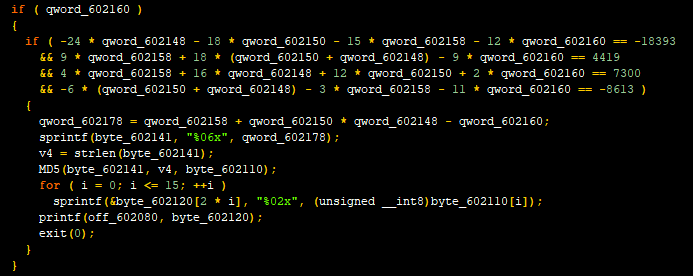
if (-24 * qword_602148 - 18 * qword_602150 - 15 * qword_602158 - 12 * qword_602160 == -18393
    && 9 * qword_602158 + 18 * (qword_602150 + qword_602148) - 9 * qword_602160 == 4419
    && 4 * qword_602158 + 16 * qword_602148 + 12 * qword_602150 + 2 * qword_602160 == 7300
    && -6 * (qword_602150 + qword_602148) - 3 * qword_602158 - 11 * qword_602160 == -8613)

Esto es un sistema de ecuaciones lineales mondo y lirondo que debe ser resuelto para encontrar los valores correctos de qword_602148, qword_602150, qword_602158 y qword_602160. Una vez resuelto el sistema de ecuaciones se realiza la operación:

 qword_602178 = qword_602158 + qword_602150 * qword_602148 - qword_602160;

A continuación se pasa el resultado de la variable qword_602178 a hexadecimal y se genera su hash MD5.

Solución en Python

Lo más rápido en esta ocasión es usar Python, pero esto se puede resolver hasta con lápiz y papel 😉

from sympy import symbols, Eq, solve
import hashlib

# Definir las variables
A, B, C, D = symbols('A B C D')

# Definir las ecuaciones
eq1 = Eq(-24*A - 18*B - 15*C - 12*D, -18393)
eq2 = Eq(9*C + 18*(A + B) - 9*D, 4419)
eq3 = Eq(4*C + 16*A + 12*B + 2*D, 7300)
eq4 = Eq(-6*(A + B) - 3*C - 11*D, -8613)

# Resolver el sistema de ecuaciones
solution = solve((eq1, eq2, eq3, eq4), (A, B, C, D))

# Verificar si se encontró una solución
if solution:
    print("Solución encontrada:")
    print(solution)

    # Obtener los valores de A, B, C y D
    A_val = solution[A]
    B_val = solution[B]
    C_val = solution[C]
    D_val = solution[D]

    # Mostrar los valores encontrados
    print(f"A = {A_val}")
    print(f"B = {B_val}")
    print(f"C = {C_val}")
    print(f"D = {D_val}")

    # Calcular qword_602178
    qword_602178 = C_val + B_val * A_val - D_val
    qword_602178 = int(qword_602178)  # Convertir a entero de Python
    print(f"qword_602178 = {qword_602178}")

    # Convertir qword_602178 a una cadena en formato hexadecimal
    byte_602141 = f"{qword_602178:06x}"
    print(f"byte_602141 (hex) = {byte_602141}")

    # Calcular el MD5 de la cadena
    md5_hash = hashlib.md5(byte_602141.encode()).hexdigest()
    print(f"MD5 hash = {md5_hash}")

    # Generar la flag
    flag = f"FLAG-{md5_hash}"
    print(f"Flag = {flag}")

else:
    print("No se encontró una solución.")

Al ejecutar el script veremos algo como esto:

Solución encontrada:
{A: 227, B: 115, C: 317, D: 510}
A = 227
B = 115
C = 317
D = 510
qword_602178 = 25912
byte_602141 (hex) = 006538
MD5 hash = 21a84f2c7c7fd432edf1686215db....
Flag = FLAG-21a84f2c7c7fd432edf1686215db....